
School of Quantum Science, Computing & AI
B.Sc Computer Science
Bachelor of Science in Computer Science with AI, Generative AI, LLMOps & Cloud
Bachelor of Science in Computer Science with AI, Generative AI, LLMOps & Cloud
Bachelor of Science (B.Sc.) in Computer Science is an undergraduate degree program that focuses on the study of computers, software development, programming, data structures, databases, networking, artificial intelligence, and emerging technologies. The program equips students with strong theoretical foundations and hands-on practical skills required to design, develop, and implement modern computing solutions.
The department aims to prepare students for careers in the IT industry, software development, data analytics, cybersecurity, and research while fostering problem-solving, innovation, and technical expertise in the field of computing.
A balanced blend of core computing fundamentals, frontier AI, hands-on labs and research orientation.
A rigorous core gives every graduate solid analytical confidence and clarity.
Hands-on with the technologies driving the next generation of products.
Students build strong analytical skills, precision, and shipping habits.
Graduates are equally prepared for industry and post-graduate study.
The B.Sc. Computer Science program at Rathinam Global University offers a future-focused curriculum that integrates core computer science concepts with emerging technologies such as Artificial Intelligence, Machine Learning, Deep Learning, Generative AI, LLMOps, Cloud Computing, Data Analytics, and Full-Stack development. Students benefit from industry-co-designed modules, NASA-aligned EXT exposure, mandatory ITR research blocks every semester, and a final capstone project + internship, ensuring placement readiness in software, AI, and product engineering roles.
6
Semesters
218+
Total Credits
40+
Industry Partners
100%
Placement Support
Select a semester to view its course listing, LTPC format and total credits.
Semester
| CAT | Code | Course Title | LTPC | Credit | Evaluation |
|---|---|---|---|---|---|
| — | CXXXX | Language - I | — | 03 | — |
| — | CXXXX | English - I | — | 03 | — |
| — | CXXXX | Problem solving techniques in Python Programming | — | 03 | — |
| — | CXXXX | Fundamentals of computer Hardware and Networking | — | 03 | — |
| — | CXXXX | Database Management Systems | — | 03 | — |
| — | CXXXX | Mathematics for Computer Science | — | 03 | — |
| — | CXXXX | Problem solving techniques in Python Programming Lab | — | 02 | — |
| — | CXXXX | ITR - 1 | — | 01 | — |
| — | CXXXX | AEC - I | — | 02 | — |
| Total | Total Hours: 375 | Total Credits: 23 | |||
Semester
| CAT | Code | Course Title | LTPC | Credit | Evaluation |
|---|---|---|---|---|---|
| — | CXXXX | Language – II | — | 03 | — |
| — | CXXXX | English – II | — | 03 | — |
| — | CXXXX | Object-Oriented Programming in Python | — | 03 | — |
| — | CXXXX | Data Handling and Preprocessing Technique | — | 03 | — |
| — | CXXXX | DSA Problem Solving Practice | — | 03 | — |
| — | CXXXX | Discrete Mathematics | — | 03 | — |
| — | CXXXX | Object-Oriented Programming in Python Lab | — | 02 | — |
| — | CXXXX | ITR – 2 | — | 01 | — |
| — | CXXXX | AEC II | — | 02 | — |
| — | CXXXX | VAC 1 | — | 02 | — |
| — | CXXXX | EXT 1 (NASA) | — | 01 | — |
| Total | Total Hours: 435 | Total Credits: 26 | |||
Semester
| CAT | Code | Course Title | LTPC | Credit | Evaluation |
|---|---|---|---|---|---|
| — | CXXXX | Language - III | — | 03 | — |
| — | CXXXX | English – III | — | 03 | — |
| — | CXXXX | Machine Learning | — | 03 | — |
| — | CXXXX | Web Application Development | — | 03 | — |
| — | CXXXX | Distributed Computing | — | 03 | — |
| — | CXXXX | FullStack with GenAI | — | 03 | — |
| — | CXXXX | Machine Learning Lab | — | 02 | — |
| — | CXXXX | ITR-3 | — | 02 | — |
| — | CXXXX | Agentic AI Immersion | — | 03 | — |
| — | CXXXX | AEC III | — | 02 | — |
| Total | Total Hours: 435 | Total Credits: 27 | |||
Semester
| CAT | Code | Course Title | LTPC | Credit | Evaluation |
|---|---|---|---|---|---|
| — | CXXXX | Language – IV | — | 03 | — |
| — | CXXXX | English – IV | — | 03 | — |
| — | CXXXX | Deep Learning with NLP and Computer Vision | — | 03 | — |
| — | CXXXX | Software Engineering | — | 03 | — |
| — | CXXXX | Generative AI using Python | — | 03 | — |
| — | CXXXX | Deep Learning with NLP and Computer Vision Lab | — | 02 | — |
| — | CXXXX | Full Stack for DevOps | — | 03 | — |
| — | CXXXX | ITR-4 | — | 02 | — |
| — | CXXXX | Cloud Computing and Networks | — | 03 | — |
| — | CXXXX | AEC IV | — | 02 | — |
| — | CXXXX | VAC 2 | — | 02 | — |
| — | CXXXX | EXT- 2 (NASA) | — | 01 | — |
| Total | Total Hours: 495 | Total Credits: 30 | |||
Semester
| CAT | Code | Course Title | LTPC | Credit | Evaluation |
|---|---|---|---|---|---|
| — | CXXXX | Data Analytics and Business Intelligence | — | 03 | — |
| — | CXXXX | Generative AI and Prompt Engineering | — | 03 | — |
| — | CXXXX | AI Application Development and Deployment | — | 03 | — |
| — | CXXXX | Generative AI using Python Lab | — | 02 | — |
| — | CXXXX | PRJ | — | 04 | — |
| — | CXXXX | ITR-5 | — | 02 | — |
| Total | Total Hours: 330 | Total Credits: 17 | |||
Semester
| CAT | Code | Course Title | LTPC | Credit | Evaluation |
|---|---|---|---|---|---|
| — | CXXXX | LLMOps and Retrieval Augmented Generation (RAG) | — | 03 | — |
| — | CXXXX | Software Testing and Quality Assurance | — | 03 | — |
| — | CXXXX | AI Product Development and Deployment | — | 03 | — |
| — | CXXXX | PRJ | — | 04 | — |
| — | CXXXX | VAC 3 | — | 02 | — |
| Total | Total Hours: 300 | Total Credits: 15 | |||
Semester
| CAT | Code | Course Title | LTPC | Credit | Evaluation |
|---|---|---|---|---|---|
| — | CXXXX | PRJ | — | 12 | — |
| — | CXXXX | Internship (1 month) | — | 04 | — |
| Total | Total Hours: 600 | Total Credits: 40 | |||
Semester
| CAT | Code | Course Title | LTPC | Credit | Evaluation |
|---|---|---|---|---|---|
| — | — | — elective slot — | — | — | — |
| — | — | — elective slot — | — | — | — |
| — | — | — elective slot — | — | — | — |
| — | — | — elective slot — | — | — | — |
| — | — | — elective slot — | — | — | — |
| — | — | — elective slot — | — | — | — |
| — | — | — elective slot — | — | — | — |
| — | — | — elective slot — | — | — | — |
| Total | Total Hours: — | Total Credits: — | |||
Educational objectives, specific outcomes, and program-level competencies that every graduate carries forward.
Develop strong foundations in computer science, programming, databases, networking, artificial intelligence, and emerging technologies to solve real-world problems effectively.
Equip students with practical skills in software development, machine learning, cloud computing, Generative AI, and data analytics to meet industry requirements.
Foster innovation, critical thinking, ethical responsibility, teamwork, and lifelong learning for professional growth and research excellence.
Prepare graduates for successful careers, entrepreneurship, higher education, and research in computing and emerging technology domains.
Apply programming, algorithms, databases, and software engineering principles to develop efficient computing solutions.
Design and implement intelligent systems using Machine Learning, Deep Learning, Generative AI, LLMOps, and Data Analytics technologies.
Utilize modern computing tools, cloud platforms, full-stack technologies, and industry practices to develop scalable applications and products.
Apply knowledge of computer science fundamentals, mathematics, and emerging technologies.
Identify, analyze, and solve complex computing problems using logical and analytical approaches.
Design software systems and applications that meet user and industry requirements.
Conduct experiments, analyze data, and derive meaningful conclusions.
Use modern software development tools, AI frameworks, cloud platforms, and computing technologies.
Apply ethical principles and professional responsibilities in computing practices.
Understand the impact of computing solutions on society and sustainable development.
Apply ethical principles, professional responsibilities, integrity, and legal standards in the development and use of computing technologies, Artificial Intelligence, data management, and digital systems while considering societal impact and sustainability.
Function effectively as an individual and as a member or leader of multidisciplinary teams.
Communicate effectively with technical and non-technical stakeholders.
Apply project management principles in software and technology projects.
Recognize the need for continuous learning and adaptation to emerging technologies.
A preview of the per-course detail template that faculty will duplicate for every course title in the curriculum.
| Course Name | — to be supplied |
| Course Code | — to be supplied |
| Program | B.Sc Computer Science |
| Semester | — to be supplied |
| Credits | — to be supplied |
| Campus | Rathinam Global Deemed To Be University |
Unit 1
— unit content pending —
Unit 2
— unit content pending —
Unit 3
— unit content pending —
Course Objectives
— objectives pending —
Course Outcomes
| CO | Statement |
|---|---|
| CO1 | — pending — |
| CO2 | — pending — |
| CO3 | — pending — |
| CO4 | — pending — |
| CO5 | — pending — |
| CO | PO1 | PO2 | PO3 | PO4 | PO5 | PO6 | PO7 | PO8 | PO9 | PO10 | PO11 | PO12 | PSO1 | PSO2 | PSO3 |
|---|---|---|---|---|---|---|---|---|---|---|---|---|---|---|---|
| CO1 | — | — | — | — | — | — | — | — | — | — | — | — | — | — | — |
| CO2 | — | — | — | — | — | — | — | — | — | — | — | — | — | — | — |
| CO3 | — | — | — | — | — | — | — | — | — | — | — | — | — | — | — |
| CO4 | — | — | — | — | — | — | — | — | — | — | — | — | — | — | — |
| CO5 | — | — | — | — | — | — | — | — | — | — | — | — | — | — | — |
Mapping levels: 1 — Low, 2 — Medium, 3 — High. Blank = no mapping.
| Assessment | Internal Weightage | End Semester Weightage |
|---|---|---|
| CA | — | — |
| Mid-Term | — | — |
| End Semester | — | — |
| Educational Qualification | 12th Pass |
| Rathinam Qualification | — to be supplied |
| Minimum Marks Required in 10th Standard | — to be supplied |
| Minimum Marks Required in 12th Standard | — to be supplied |
| Additional Eligibility / Admission Notes | — to be supplied |





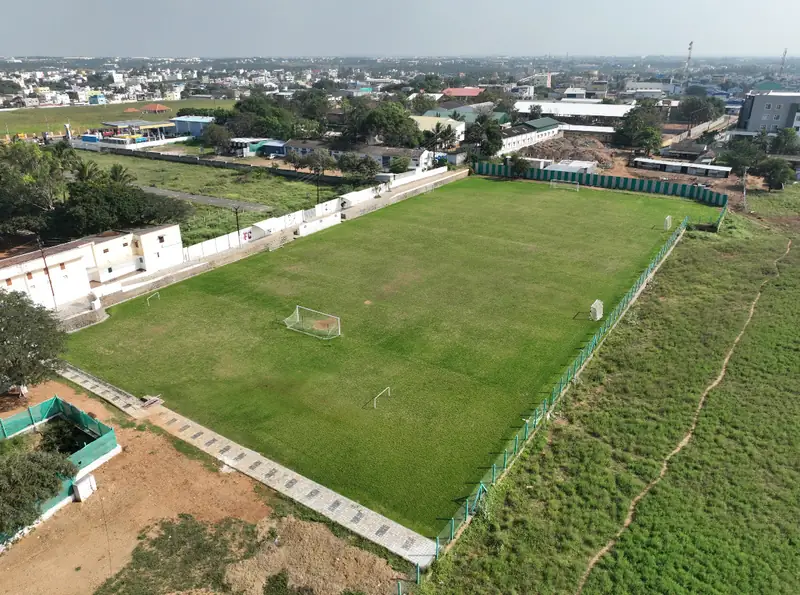


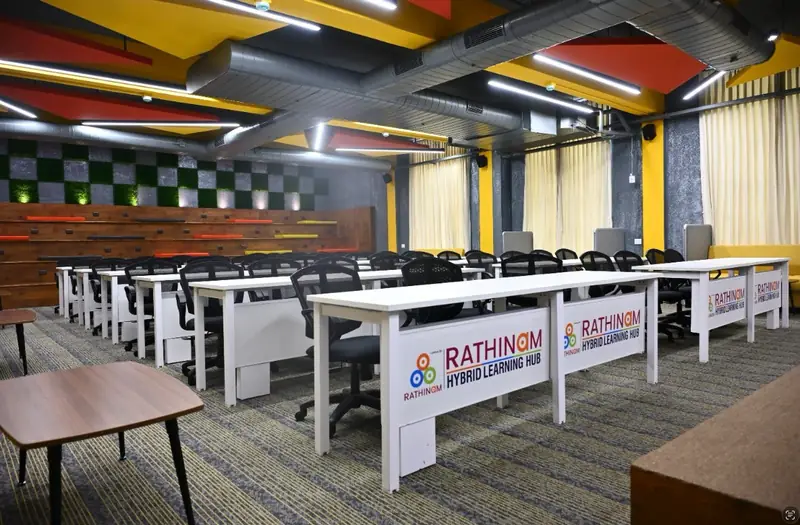
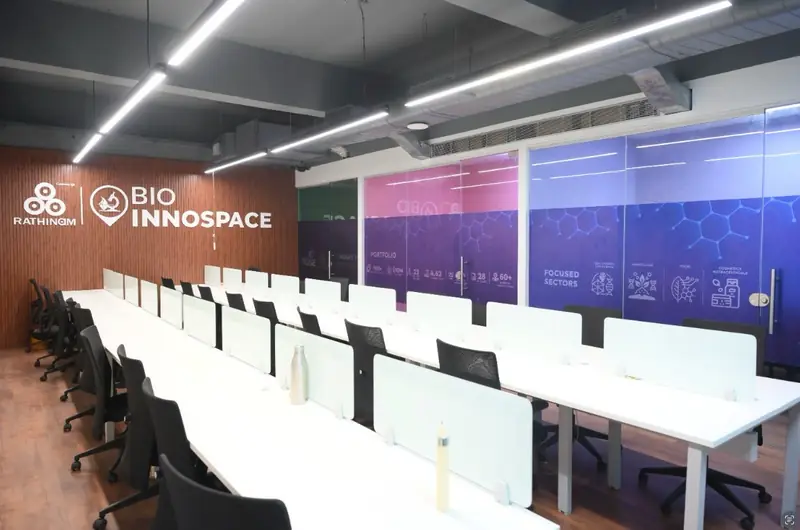
Eachanari, Coimbatore, Tamil Nadu – 641021
Phone: +91-844-844-8909
Email: admissions@rathinamglobal.edu.in
HoD: — to be supplied
Phone: — to be supplied
Email: — to be supplied
Applications for the 2026–27 academic year are open. Secure your place at RGU before seats fill up.